Film about Trump's wife sparks controversy
Feb 05, 2026
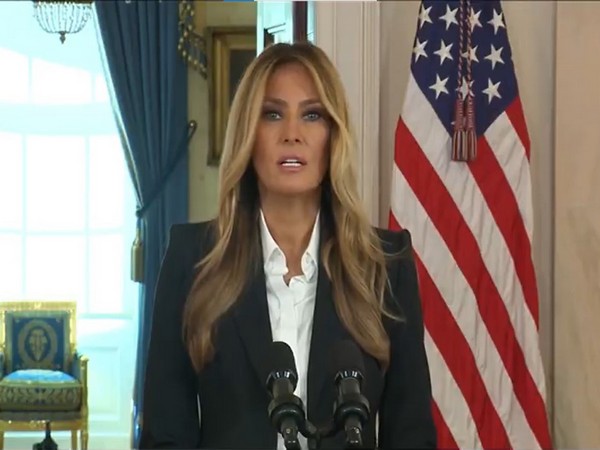
New York [US], February 5: The documentary Melania: Twenty Days to History, which portrays Melania Trump as a fashion icon intertwined with political and social activities, and highlights the 20-day period leading up to Trump's second inauguration, has generated mixed reactions since its release in the US.
Despite achieving a notable opening weekend, the film about Trump
According to published figures, the film grossed approximately $7 million in its opening week in the North American market. This is considered relatively positive for a political documentary, especially given that this genre is generally niche. However, box office success does not equate to critical acclaim.
The film focuses on the 20 days leading up to Trump's second inauguration, with Melania Trump at the center. Through behind-the-scenes footage, the filmmakers recreate moments of preparation, schedules, meetings, and living spaces surrounding the First Lady during what is considered a historic period for the Trump family.
However, according to many major newspapers, this approach is insufficient to create a truly in-depth portrayal. The Guardian (UK) was one of the harshest critics, giving the film 1 out of 5 stars. Xan Brooks, a writer for the newspaper, described the film as "gloomy and soulless," focusing heavily on flashy visuals but lacking substance.
Sharing the same view, The Atlantic ( USA) argues that the film lacks the necessary climactic moments to maintain the narrative's rhythm. According to the newspaper, the choice of short time frames that fail to explore psychological shifts or inner perspectives makes the film monotonous and difficult to connect with viewers outside of those who already have a positive impression of the main character.
From a cinematic perspective, The Hollywood Reporter argues that Melania: Twenty Days to History resembles an "expensive propaganda" production, in which the main character's image is portrayed in an overly celebratory way. According to the newspaper, the film devotes significant screen time to depicting Melania Trump's luxurious lifestyle, formal ceremonies, and polished appearance, but lacks details that would allow viewers to better understand the true person behind her public image.
Variety also noted a clear divide in reactions to the film. While many critics called it a form of ostentatious publicity stunt, a segment of the audience received it positively. This contrast reflects the fact that the film may not have convinced critics, but it still found common ground with audiences who support the Trump family.
This is partly reflected in the CinemaScore - a survey of audience reaction in movie theaters - where the film received an "A" rating. This result indicates relatively high satisfaction from those who directly purchased tickets to see the film, despite less-than-positive reviews from the press. This is not an uncommon phenomenon with films that have a strong political message, where support often comes from groups of the public who already have pre-existing viewpoints.
Visually, the trailer and materials released by Amazon MGM Studios show that the film is meticulously crafted in terms of setting, lighting, and frame design. However, many commentators believe that this polished visual aspect is not enough to compensate for the lack of content and character depth.
Melania: Twenty Days to History thus became a prime example of the discrepancy between initial commercial success and critical acclaim. While box office revenue and audience reception showed considerable appeal, reviews from international critics raised questions about the film's long-term value and its ability to transcend the boundaries of a fan-made film.
Source: Thanh Nien Newspaper